
-
The Important Changes to the Guidelines in 2025

The Resuscitation Guidelines are updated approximately every 5 years and the last significant update was in October 2025.
This blog will highlight the most important changes for first aid training to arise in the latest guidelines. These apply to paediatric CPR particularly and the Primary Survey. It is recommended that these changes are applied to first aid training from early 2026, and the courses we deliver will reflect these changes.
The importance of early education for first aid has also been highlighted. It is now strongly advised that children be taught in schools. Though this is of less relevance for this blog post
-
Key Updates from the Latest Guidelines
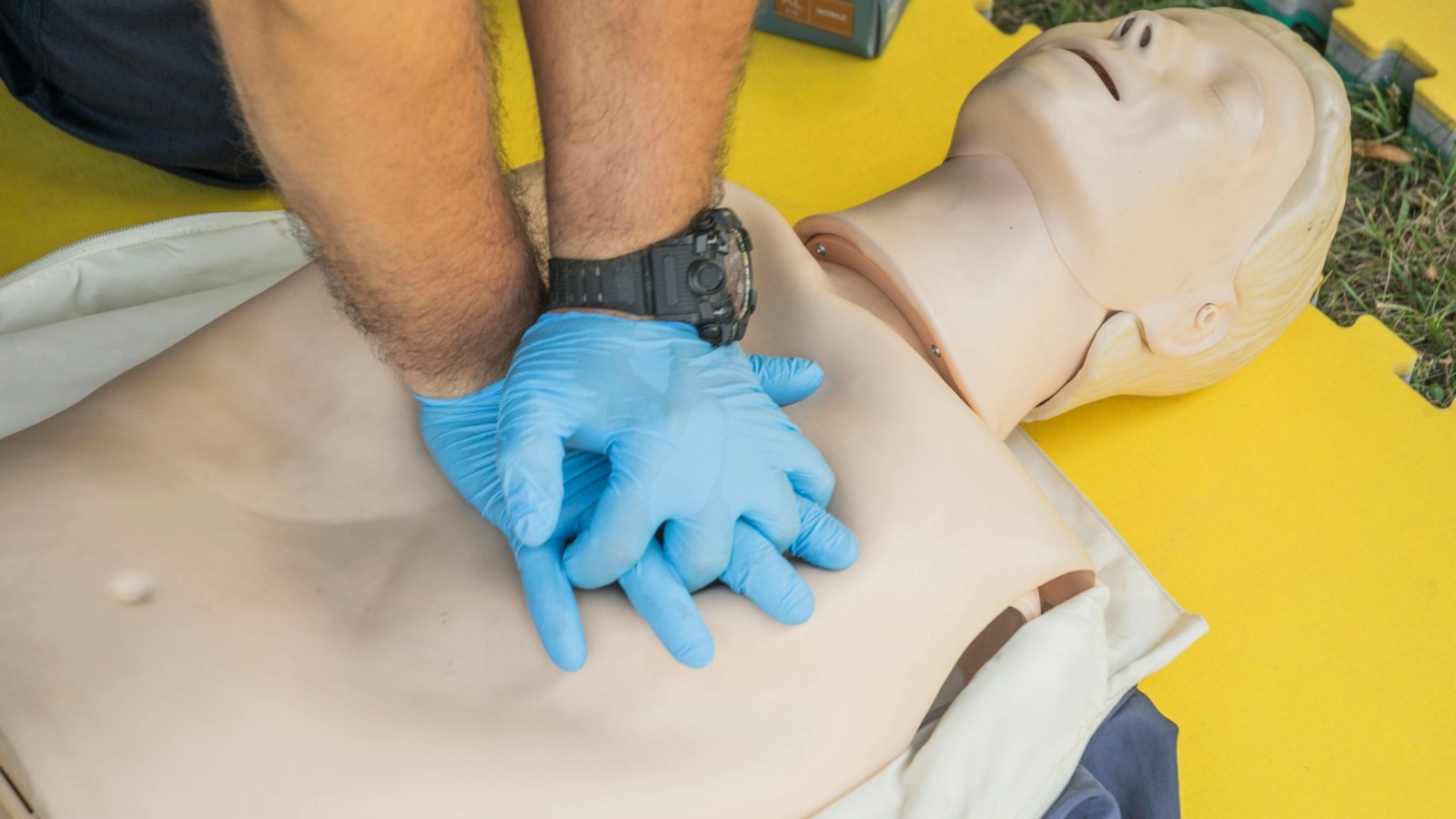
The most recent update from the Resuscitation Council includes several pivotal changes aimed at enhancing outcomes during emergencies. The focus of this blog post will be to look at the changes specific to Paediatric CPR and the Primary Survey. These changes will be implemented in our courses as recommended from Jan 2026.
How do I know if it is a child or an adult?
It is recognised that for the purposes of CPR:
- A baby is 0 -1
- A child is 1 - 18
- An adult is 18 +
The new resuscitation guidelines break down the definition of a child further into the following:
A child is 1 - 12 and an adolescent is 13 - 18 years of age, This allows for the difference in size to be accounted for, while recognising that the most likely cause of collapse in a person aged 1- 18 is due to respiratory arrest.
Ratios for CPR
It has also been recommended that if you are trained in Basic Life Support for children it should be taught as 5 rescue breaths followed by 15 compressions to 2 breaths. It is still likely that a rescuer will be advised to carry out 30 compressions to 2 breaths on the phone. In this instance it would be advised to follow the instructions of the call handler.
Finally when administering chest compressions to an infant the preferred position is to encircle the chest with hands and use the thumbs to press down on the chest instead of two fingers as was previously taught.
This allows for more even pressure when giving compressions and more control. Overall it is felt to be more effective.
Where should I put the AED Pads?
It has always been taught to apply the child AED pads to central chest and back (for those under the age of 8). From now on, the advice will be to place the one on the front slightly to the left of centre while keeping the one on the back in the central position.
In adults there is more emphasis on placing the pad on the left side below the armpit rather than lower on the chest.

