

-
Understanding the Risks of Falls in Older Adults
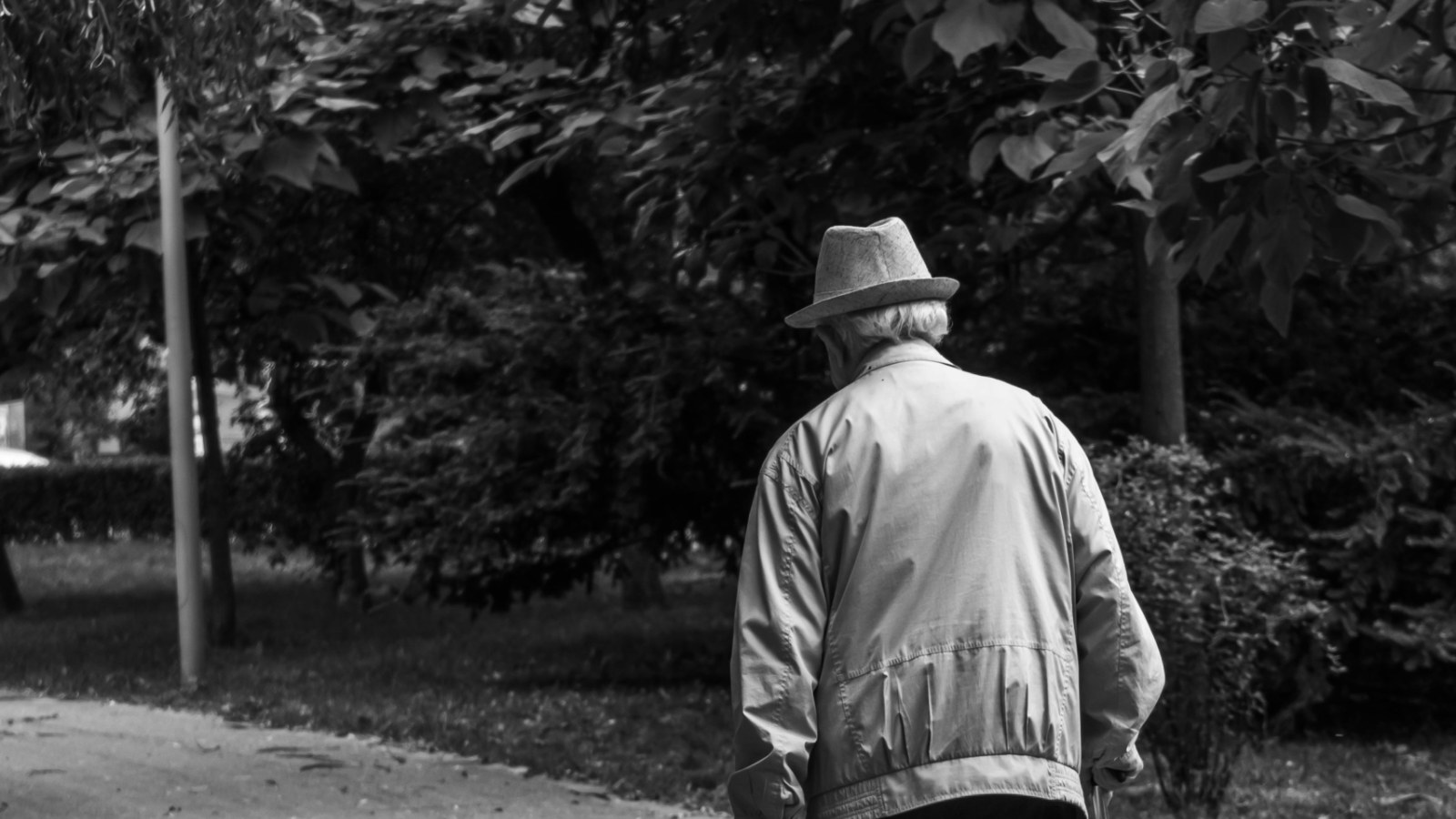
As individuals age, their bodies undergo various changes that can increase their vulnerability to falls. Diminished muscle strength, weight loss, balance issues, visual impairments, dementia and other chronic health conditions can all contribute to a higher risk of falling.
The statistics are alarming; according to Age UK, one in three people aged over 65 will experience a fall each year. These incidents can lead not only to serious injuries such as fractures or head trauma, but also to a loss of confidence which may further restrict mobility and isolate them.
Additionally, environmental factors play a significant role in increasing fall risks among older adults. Their living spaces can become cluttered as their ability to maintain it lessens. Poor lighting, slippery floors, and uneven surfaces can all become hazardous obstacles as they move around their house.
If families understand these risks, families and caregivers can better prepare themselves to support elderly individuals effectively. This is particularly important if they are provindg care for them.
Awareness is critical; recognising the signs that indicate an increased risk of falls allows for timely interventions to happen which will then in turn reduce the likelihood of incidents occurring.
-
The Importance of Increasing Awareness About Falls Prevention
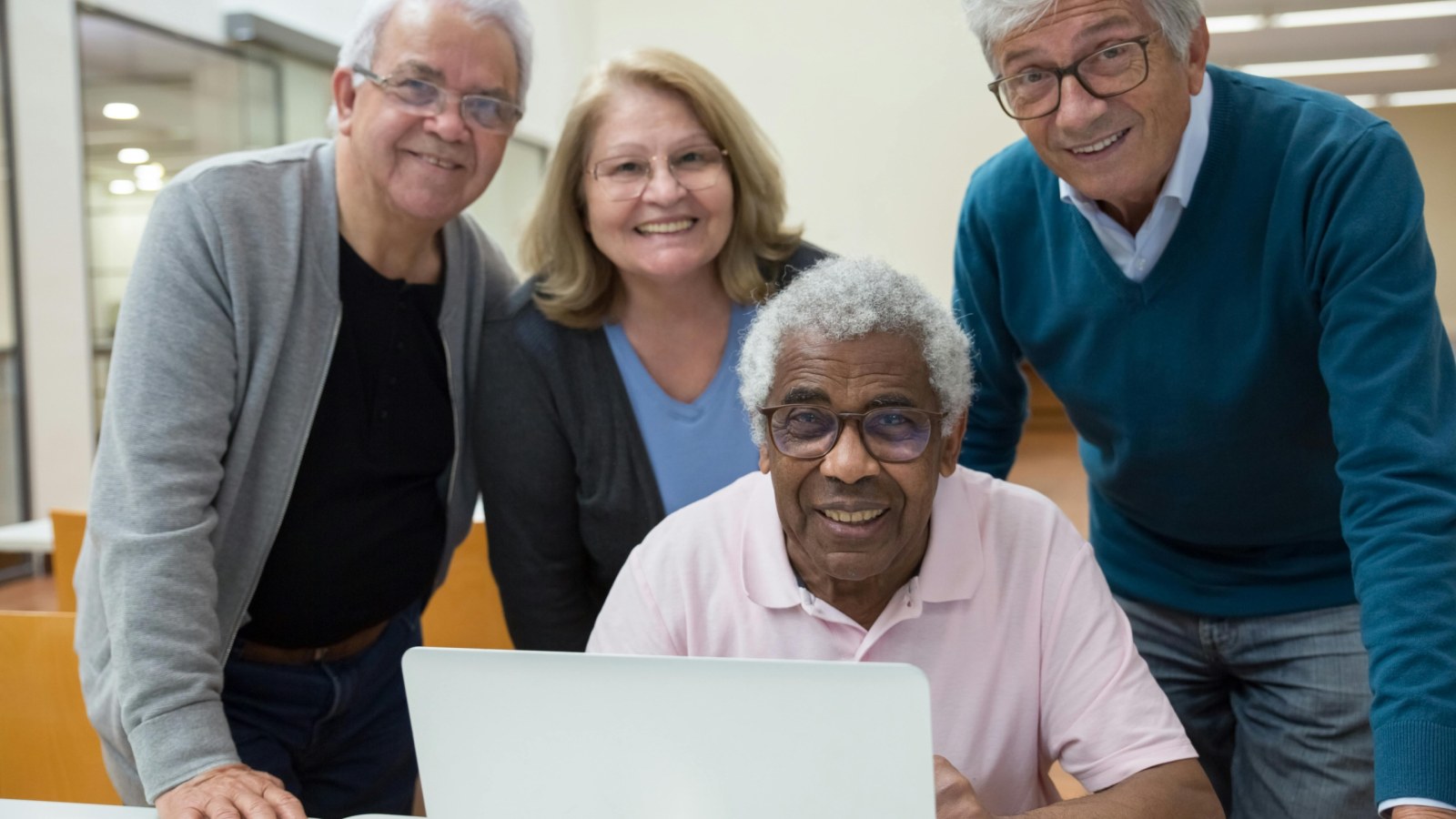
Increasing awareness about falls prevention is essential not only within families but also at community levels.
It empowers older adults by informing them about their risks and how they can reduce their likelihood. Education initiatives aimed at this demographic should look at various different factors associated with increased falls risk —from understanding physical changes due to ageing to learning about how the home can be modified to enhance safety.
Community workshops and seminars led by healthcare professionals can be instrumental in spreading knowledge about falls prevention strategies. These sessions often highlight to families some simple, yet effective exercises aimed at improving balance and strength—two critical components for fall prevention.
Social connections should not be overlooked; encouraging senior citizens to get involved in group activities fosters a supportive environment where they feel less isolated. Exercise classes might also promote physical activity through fun exercises tailored for their abilities. When communities actively participate in raising awareness around this issue, it helps to develop an overall culture of safety for elderly individuals.
-
Home Modifications: Creating a Safe Environment

Transforming homes and living spaces into safe environments is really important when it comes to preventing falls among older adults. Simple changes in the home can significantly reduce the hazards associated with falls.
Firstly, decluttering their living areas removes potential trip hazards such as loose rugs or scattered items on floors. Installing grab bars near toilets and showers helps to provide support to the elderly during daily routines such as bathing or using the toilet.
Making sure that there is adequate lighting throughout the home is really important; brighter lights help to reduce shadows which may obscure potential dangers and can illuminate dark corners where accidents could occur.
Non-slip mats should be placed in bathrooms and kitchens where water spills are common occurrences as they provide extra grip underfoot during potentially slippery situations.
It’s vital that family members help their elderly relatives with these modifications—not only does it promote safer living conditions but also gives seniors a sense of control over their environment.
-
Physical Activity: Strengthening Body and Mind
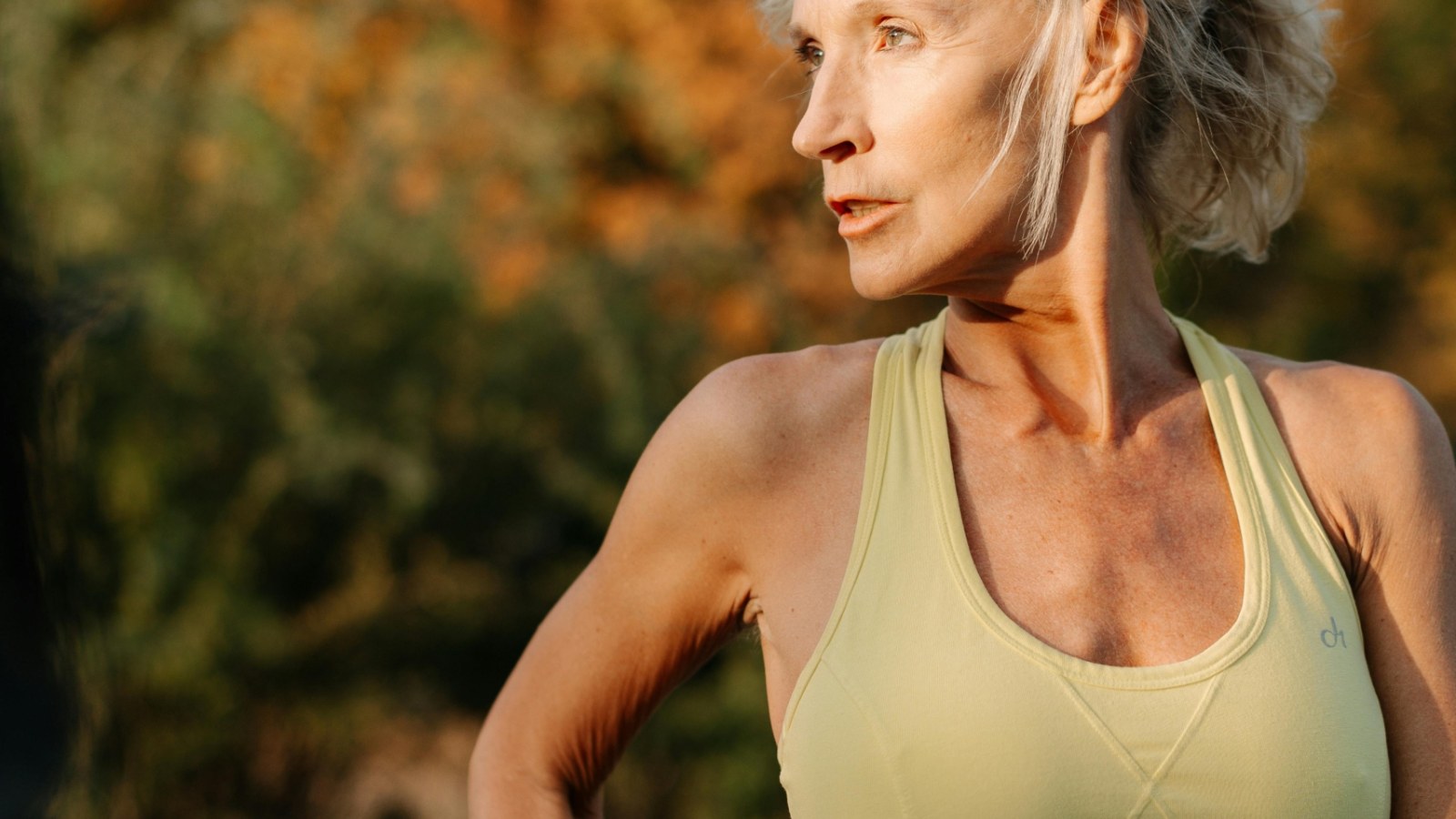
Regular physical activity is really important for maintaining both physical health and mental well-being among older adults. Encouraging them to take place in strength training exercises improves muscle mass while enhancing balance. These are two key factors which are known to significantly lower fall risks.
Activities such as Tai Chi have become more popular due to their focus on slow movements combined with mindful breathing techniques, which foster stability while promoting relaxation simultaneously.
Local community centres often offer classes designed specifically for seniors aiming at improving mobility through gentle yoga or resistance training programmes tailored towards varying fitness levels.
In addition to structured classes, encouraging simple daily activities like walking or gardening helps the person to maintain an active lifestyle without overwhelming people who may fear injury from more strenuous workouts.
Promoting regular exercise helps to promote independence amongst elderly individuals as it enables them not just physically but mentally as well. It helps to build confidence along with capability which contributes greatly towards reducing feelings of helplessness associated with ageing.
-
Regular Health Check-ups: Staying Ahead of Potential Issues

Routine health check-ups are also an integral part of falls prevention strategies among older adults. If underlying medical conditions are dealt with early on before they escalate into serious complications, it can reduce things like accidents caused by dizziness or instability resulting from untreated ailments.
Conditions like osteoporosis can weaken bones considerably making fractures more likely to happen following even minor slips or trips. Screening tests can help to identify those who require preventative measures before anything happens instead of relying solely upon reactive solutions after an incident has occurred.
Discussing side effects of medication openly, enables doctors to determine if adjustments are necessary either in terms of dosage or switching entirely to different alternatives altogether to relieve burdensome fatigue/weakness which can be experienced commonly when taking multiple prescriptions concurrently. Lots of medications together can cause confusion which might compound difficulties faced in navigating daily life!
- AboutAbout
- CoursesCourses
- First Aid for Children and TeensFirst Aid for Children and Teens
- PricingPricing
- TestimonialsTestimonials
- ResourcesResources
- CoverageCoverage
- BlogBlog


