

-
Understanding Heat Stroke: What You Need to Know
Heat stroke is a serious condition that arises when your body overheats, typically due to prolonged exposure to high temperatures or vigorous exercise in the heat. This is a medical emergency, which occurs when the body's temperature regulation fails. This results in a rapid rise in core body temperature that can exceed 40°C (104°F).
The risk of heat stroke increases dramatically during hot weather, especially in vulnerable populations such as the elderly, children, and those with pre-existing health conditions.
Symptoms of heat stroke can vary, but often include
- confusion,
- disorientation,
- nausea,
- rapid heartbeat,
- and even loss of consciousness.
Unlike heat exhaustion—an earlier stage of heat-related illness—heat stroke requires immediate medical attention. Understanding how your body responds to extreme heat is crucial for effective management and prevention.
Awareness of the symptoms and risk factors associated with heat stroke is essential. Factors such as dehydration, lack of aclimatisation to hot weather, obesity, certain medications, and chronic illnesses can increase vulnerability.
Knowing the triggers will empower individuals and communities alike to take proactive measures against this potentially life-threatening condition.
-
Signs and Symptoms: How to Recognise Heat Stroke

Identifying the signs and symptoms of heat stroke early on can be lifesaving. The initial warning signs may appear as intense thirst or weakness; These signs can quickly escalate into more severe symptoms if not addressed promptly.
Some common signs and symptoms include:
- High body temperature (over 40°C)
- Altered mental state or confusion
- Nausea or vomiting
- Rapid breathing or heart rate
- Hot dry skin or profuse sweating (in some cases)
- Seizures or convulsionsIf you observe someone exhibiting these symptoms—especially after prolonged exposure to high temperatures—it’s crucial to act swiftly.
Encourage them to move indoors or find a shaded area. Call for emergency assistance if their condition appears severe. Cool them down, you can do this by using towels which have been soaked in cool water for example. Remember that by staying vigilant about recognising these signs early on and acting accordingly could mean the difference between life and death.
-
Immediate Actions: First Aid Steps for Heat Stroke
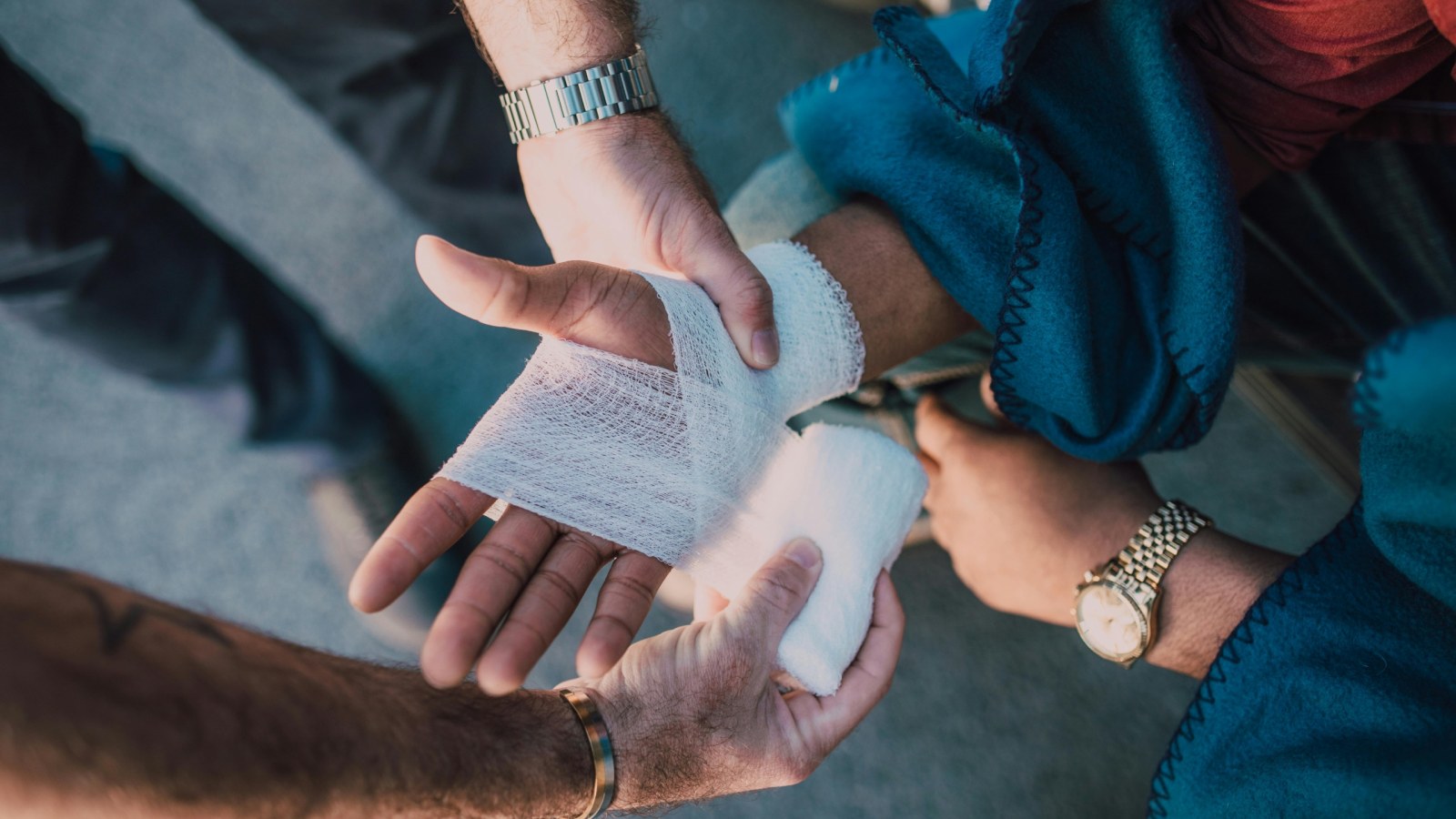
When faced with a potential case of heat stroke, swift action is essential. Here are key first aid steps you should follow:
1. Call Emergency Services: If someone shows severe symptoms like unconsciousness or seizures,
you must call for help immediately.2. Move Them Indoors: Relocate the person to a cooler environment away from direct sunlight.
3. Loosen Clothing: Remove any excess clothing that could restrict airflow around their body.
4. Hydration: If conscious and alert enough to drink fluids,
offer cool water or sports drinks containing electrolytes—but avoid caffeine.5. Cool Down Rapidly: Use cold packs on pulse points like wrists,
the neck, and groin areas; alternatively,
a fan can help lower body temperature effectively.6. Monitor Their Condition: Keep an eye on their responsiveness while waiting for medical professionals; be prepared to provide information about their condition upon arrival.
These immediate steps are vital not only in stabilising someone's health but also in preventing complications from occurring further down the line.
-
Preventing Heat Stroke: Proactive Measures You Can Take

Prevention is always better than cure—and when it comes down to protecting yourself from heat strokes during sweltering summers,
it’s essential not just for personal safety but also contributes positively towards public health efforts too! Here are some actionable strategies:
- Stay Hydrated: Drink plenty of fluids throughout each day;
aim for at least eight glasses daily—even more if engaging in physical activity outdoors!
- Avoid Peak Hours: Schedule outdoor activities either early morning before noon
or late afternoon after four o’clock when temperatures tend
to drop slightly.
- Wear Appropriate Clothing: Light-coloured garments made from breathable materials such as cotton allow sweat evaporation without hindrance.
- Acclimatise Gradually: Allow time for your body’s adaptation process by gradually increasing exposure times over several days before undertaking strenuous exertion under high-temperature conditions—this helps reduce risks significantly!
Implementing these preventative measures ensures both personal well-being whilst also setting examples within communities regarding awareness around issues concerning excessive heating effects. -
Treating Heat Stroke Aftercare & Recovery Tips

Recovery following an episode involving severe overheating requires careful attention as residual effects may linger long-term depending on severity levels experienced initially! Here’s what one should consider post-treatment stages:
1) Rest & Hydration – Ensure adequate rest periods allowing complete recovery accompanied by frequent sips water/fluids replenishing lost electrolytes through sweating activities undertaken beforehand! An adult should consume at least 2 litres of fluid per day.
2) Nutrition Support – Focus on nutrient-rich meals including fruits/vegetables providing vitamins aiding overall rejuvenation processes required during healing phases post-event occurrence.
3) Monitor Symptoms Closely – Be aware returning back into hotter environments might trigger similar reactions thus maintaining regular check-ups encouraged until full clearance achieved.
4) Seek Professional Help When Necessary – If lingering headaches/dizziness persists contact healthcare providers immediately seeking advice tailored specifically towards individual circumstances present hereafter experiencing past events related directly linked towards instances noted previously above listed here today
5) Avoid prolonged exposure to the heat, and avoid the sun in the middle of the day.
6) Cover your head when out in the sun and wear cool loose clothing.
These supportive actions taken ensure optimal recovery whilst minimising chances encountering repeat incidents later down line because having awareness knowledge surrounding proper practices ultimately reinforces resilience within communities promoting healthier lifestyles overall!
-
The Importance of Education: Community Awareness Initiatives

Education plays an instrumental role in mitigating incidences associated with heat strokes within society at large! Parents can take preventative action to keep their small children safe.
By raising awareness through workshops/sessions informing people about precautionary steps outlined earlier highlighted throughout discussions will help people recognise and understand the dangers of excessive heating so they can be avoided.
Local governments alongside non-profit organisations often collaborate together developing preventive strategies tailored specifically at certain demographic of people who are most at risk. Schools can encourage hydration during lesson time so the pupils don't get dehydrated and family can check on vulnerable elderly relatives.
- AboutAbout
- CoursesCourses
- First Aid for Children and TeensFirst Aid for Children and Teens
- PricingPricing
- TestimonialsTestimonials
- ResourcesResources
- CoverageCoverage
- BlogBlog


