Posted by Keri Hartwright
Last updated 18th January 2025
reading time
Sepsis is a life-threatening condition that arises when the body’s response to an infection spirals out of control. Instead of fighting the infection, the immune system triggers widespread inflammation. This can lead to tissue damage, organ failure, and even death if it is not addressed quickly.
It’s often known as ‘blood poisoning’, although this term can be misleading as sepsis can originate from various types of infections. This includes chest infections (pneumonia), urinary tract infections (UTIs), abdominal infections (like appendicitis), or skin infections.
It is absolutely crucial that parents and first aiders can recognise the signs of sepsis. Statistics indicate that sepsis affects over 250,000 people in the UK annually. Raising knowledge around its recognition and management could significantly reduce mortality rates.
Recognising sepsis promptly increases treatment outcomes significantly. Symptoms may vary but typically include fever or low body temperature (hypothermia), rapid heart rate, an increased breathing rate, confusion or disorientation, extreme discomfort or pain, clammy or sweaty skin. They will complain of feeling generally unwell.
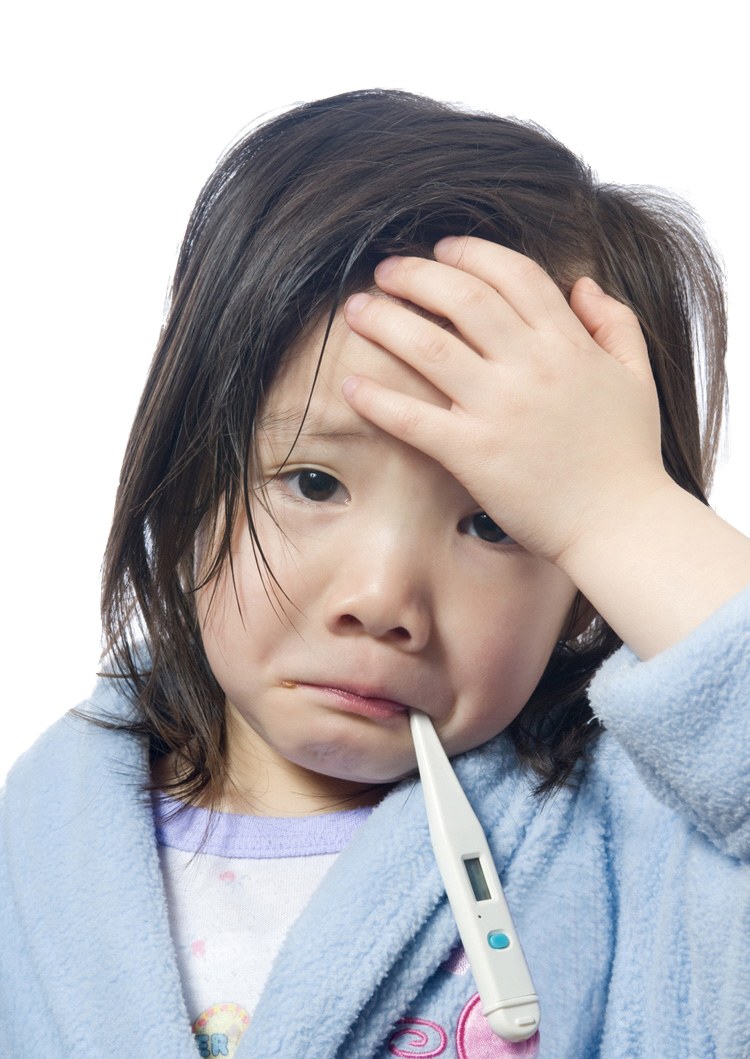
Sepsis can present differently in children specifically. They they might be unusually lethargic, not wanting to play or interact in their usual way. They may be more irritable than normal. They will be likely to have reduced appetite or fluid intake, encouraging fluid intake is critical. They may also have significantly reduced urine output - if they don't have at least one wet nappy in twelve hours you need to seek advice. They can vomit bile. If any of these symptoms are present, first aiders or parents should act immediately by calling emergency services. Timely intervention is essential as every minute counts when addressing sepsis—raising knowledge on recognising these signs empowers caregivers to act decisively.
While anyone can develop sepsis following an infection, certain groups are at higher risk. These include
Raising knowledge regarding these factors allows families and caregivers to take proactive steps towards prevention and early detection.
Preventing infections remains one of the most effective ways to reduce the risk of sepsis; thus educating your family about good hygiene practices is paramount.
Regular handwashing with soap and water for at least 20 seconds can eliminate harmful bacteria and viruses before they cause harm—especially after going to the toilet or before preparing food.
Vaccinations are really important also; ensure your family stays up-to-date with recommended immunisations against diseases such as influenza and pneumonia which could potentially lead to sepsis if left untreated.
Keeping cuts clean while keeping them covered until they heal—can help prevent infections from taking hold in minor injuries.
If you think someone in your family, or you have developed sepsis you need to call for help as soon as you can.
When you arrive at the hospital they will act quickly and they will take tests like blood tests, chest x-rays, and urine samples. This will help them to identify what is causing the infection. They may administer intravenous fluids and intravenous antibiotics and it is likely that there will be a stay in hospital.
If caught quickly the treatment outcome is likely to be positive, if it is missed it can lead to serious complications and even death. If you have any concerns that someone may be experiencing sepsis don't hesitate to get help.
Our website uses cookies to make your browsing experience better. By using our site you agree to our use of cookies.