
-
Understanding Strokes
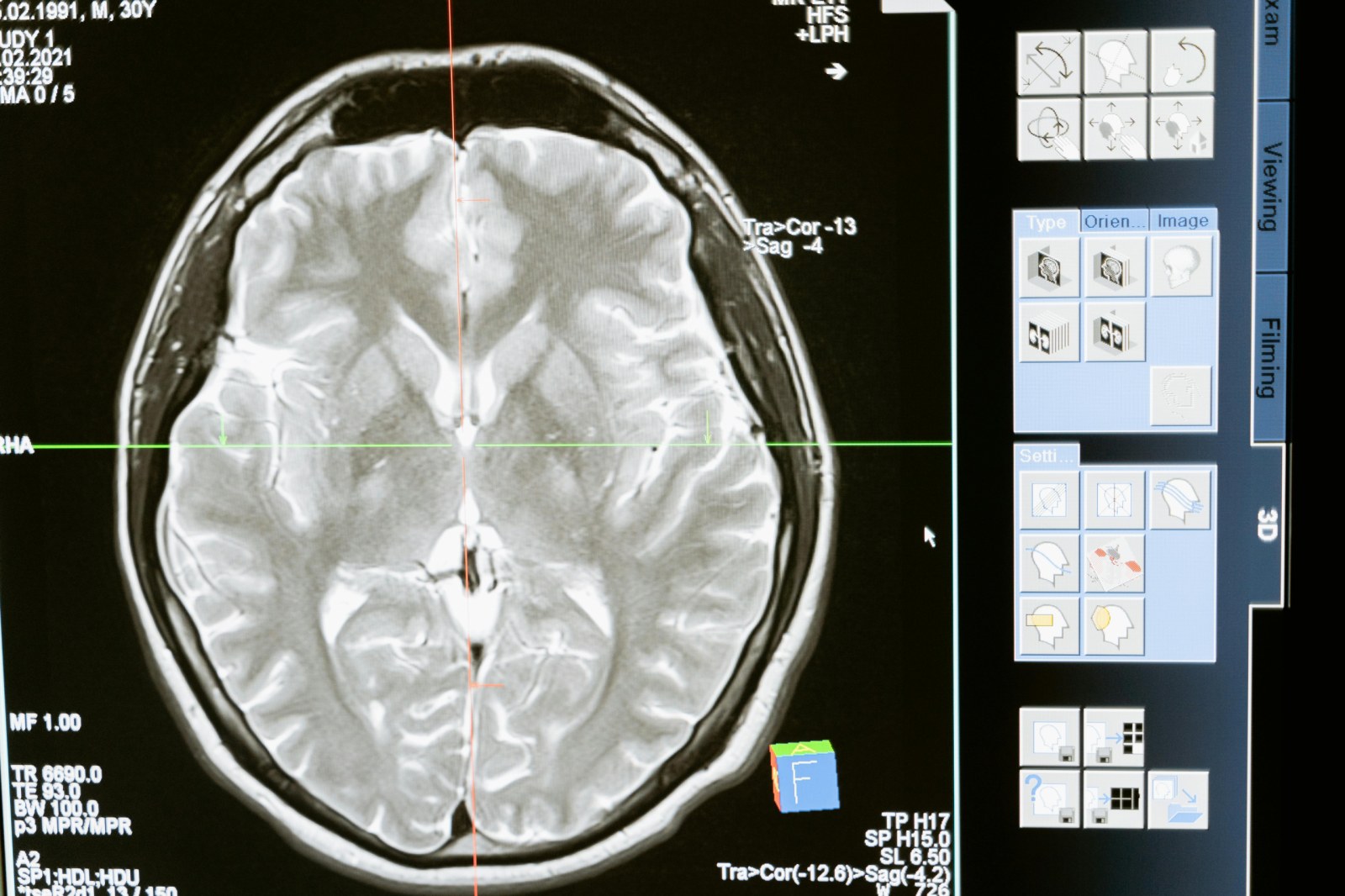
Strokes, also known as cerebrovascular accidents, occur when there is an interruption in the blood supply to the brain. This can result from a blockage or rupture of blood vessels, leading to a lack of oxygen and nutrients reaching the brain cells. As a result, brain cells begin to die within minutes. Strokes are a medical emergency that require immediate attention as they can cause permanent neurological damage or even be fatal.
-
Recognising Stroke Symptoms
Spotting stroke symptoms promptly is vital for minimising potential damage. The acronym FAST is widely used as an easy way to remember common signs:
- Face drooping: One side of the face may droop or become numb. Ask the casualty to smile.
- Arm weakness: A person may experience weakness or numbness in one arm. Ask them to raise their arms and try to keep them there.
- Speech difficulty: Slurred speech or difficulty speaking clearly can indicate a stroke.
- Time to call emergency services: If any of these symptoms are present, seeking immediate medical attention is essential. -
Additional Warning Signs
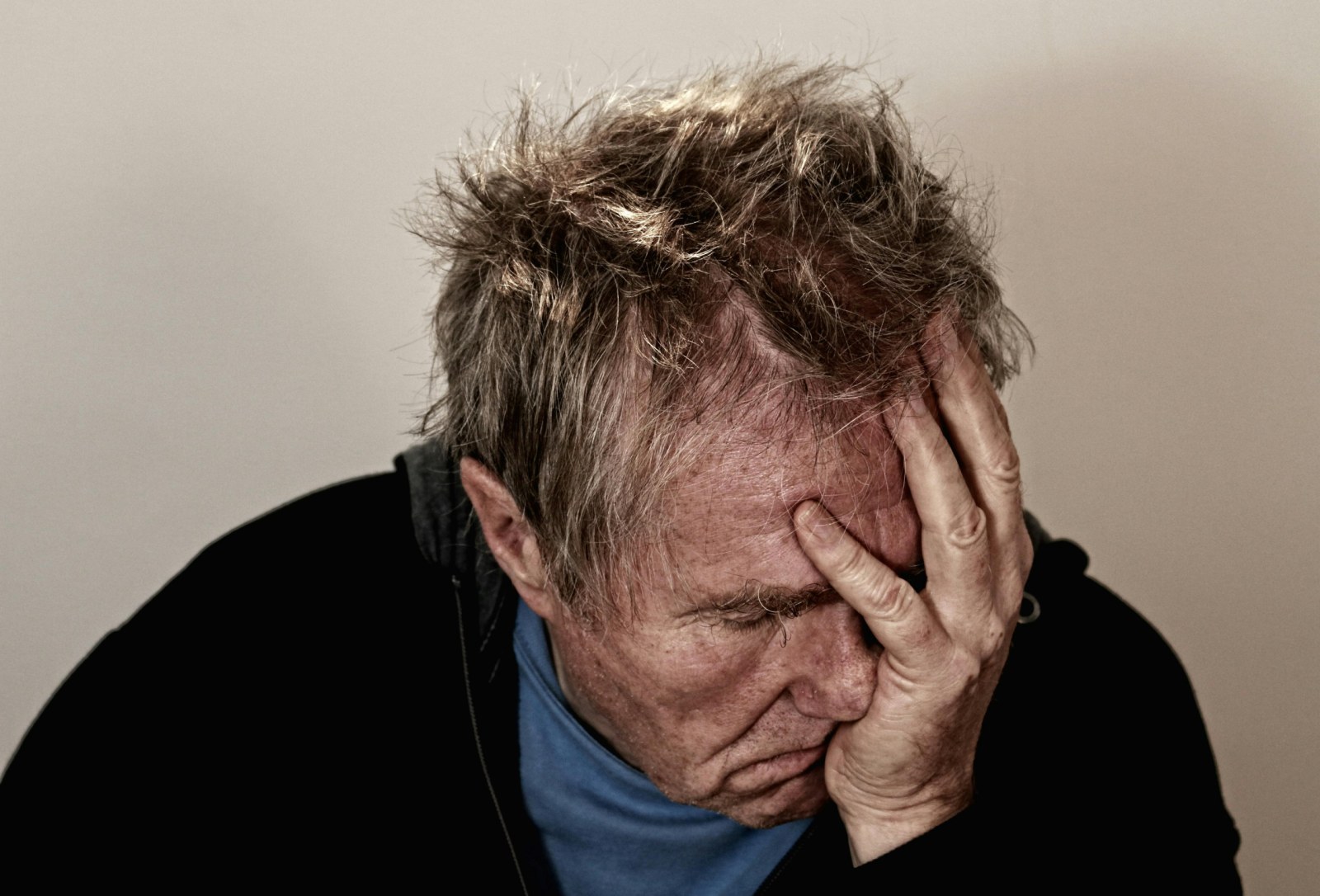
Aside from FAST symptoms, there are other warning signs that could indicate an impending stroke:
- Sudden severe headache with no known cause
- Dizziness, loss of balance, or coordination difficulties
- Blurred vision or sudden loss of vision in one or both eyes
- Confusion, trouble understanding speech or sudden memory loss -
Taking Action
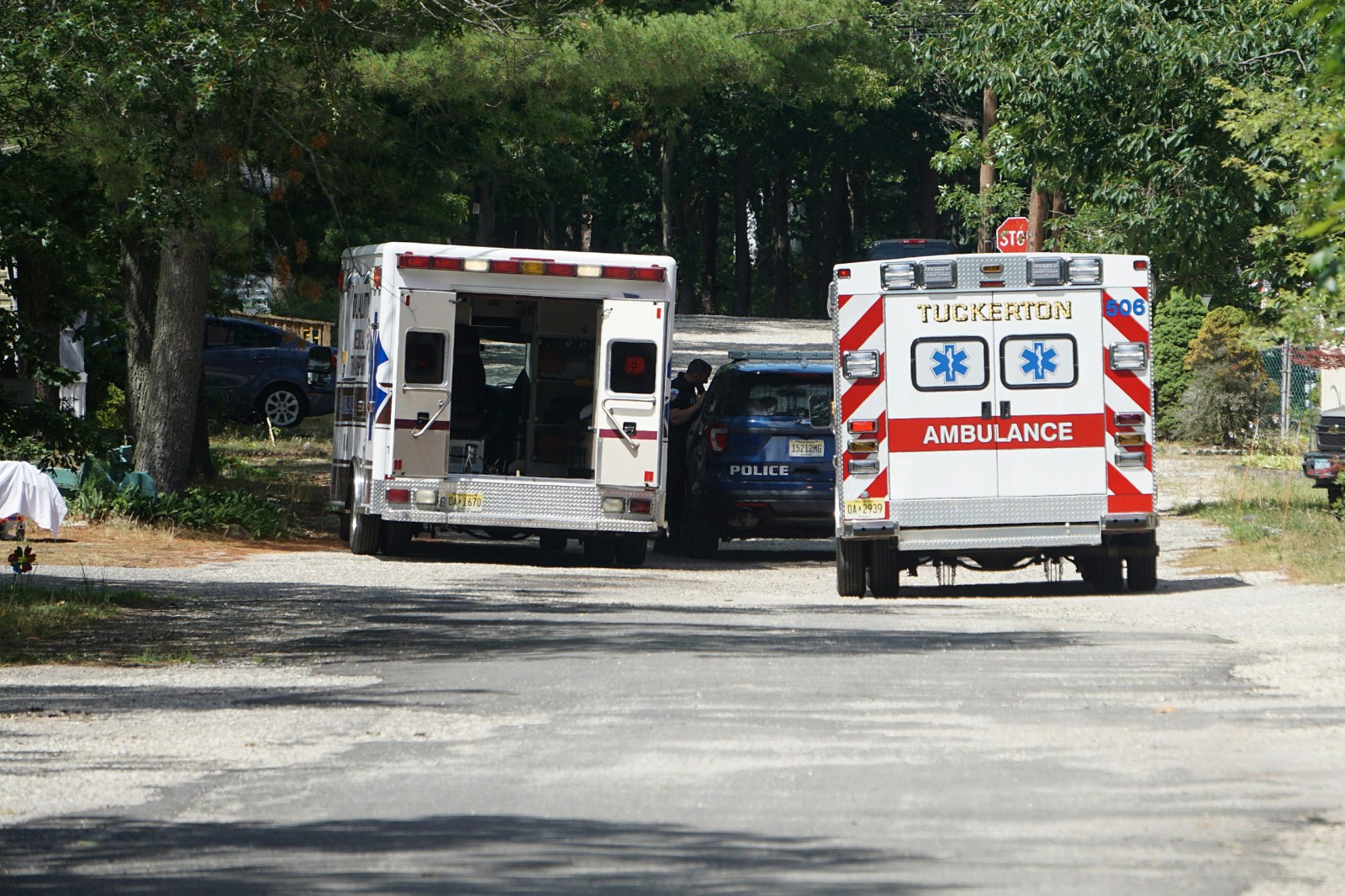
When you suspect someone is having a stroke, every second counts. Call emergency services immediately and note down when symptoms first appeared as this information can aid medical professionals in determining appropriate treatments. Keep the person calm and comfortable while waiting for help to arrive.


