
-
Introduction

As parents, one of our top priorities is ensuring the safety and well-being of our children. While we often focus on childproofing the inside of our homes, it's essential not to overlook the potential hazards that can exist in our gardens. Creating a safe outdoor environment allows children to explore, play, and connect with nature while giving us peace of mind. In this article, we will discuss some practical tips and guidelines to create a safe and fun garden for children.
-
Section 2: Ensuring Water Safety

Water features like ponds or pools can be attractive additions to any garden but present significant risks for young children. To ensure water safety:
1. Install barriers such as fences or safety covers around pools to prevent accidental access.
2. Consider using non-slip materials around water features to minimize the risk of slips and falls.
3. Teach children about water safety from an early age, including the importance of not swimming alone and always having adult supervision.
4. Empty paddling pools or buckets of water after use to avoid any accidents when unsupervised. -
Section 3: Securing Play Areas
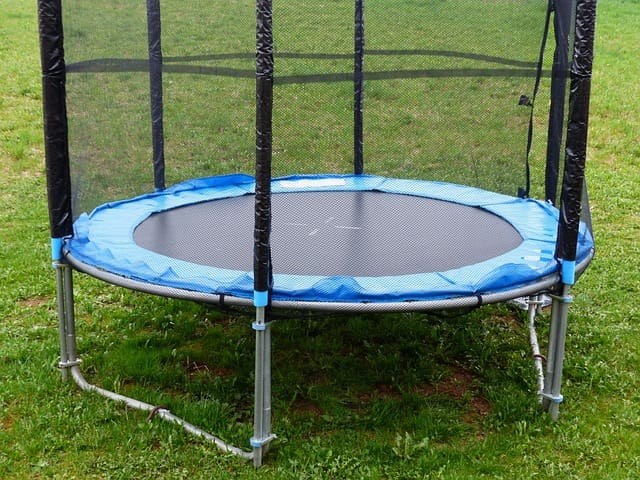
Having a designated play area is essential for children's physical and mental development. Here are some tips to make play areas safe:
1. Use impact-absorbing surfaces such as rubber mulch or synthetic turf beneath swings, slides, and climbing frames to cushion falls.
2. Regularly inspect play equipment for wear and tear, ensuring it is sturdy and free from sharp edges or loose parts.
3. Avoid placing play equipment near fences or trees that could pose additional risks if a child were to fall.
4. Provide adequate shade in the play area using umbrellas, canopies, or natural shade from trees. -
Section 4: Educating Children about Garden Safety

Educating your children about garden safety is key to preventing accidents and fostering responsible behavior outdoors. Here are some important lessons you can teach them:
1. Show them how to identify potentially dangerous plants and explain why they should never eat anything from the garden without permission.
2. Teach them about potential hazards like thorns on roses or bees buzzing around flowers, encouraging caution without instilling fear.
3. Demonstrate proper use of garden tools and establish clear rules about their handling, emphasizing the importance of adult supervision.
4. Encourage respect for wildlife by teaching them not to disturb nests or approach unfamiliar animals without adult guidance.


